Start with the New Orleans facade, not a generic pressure setting
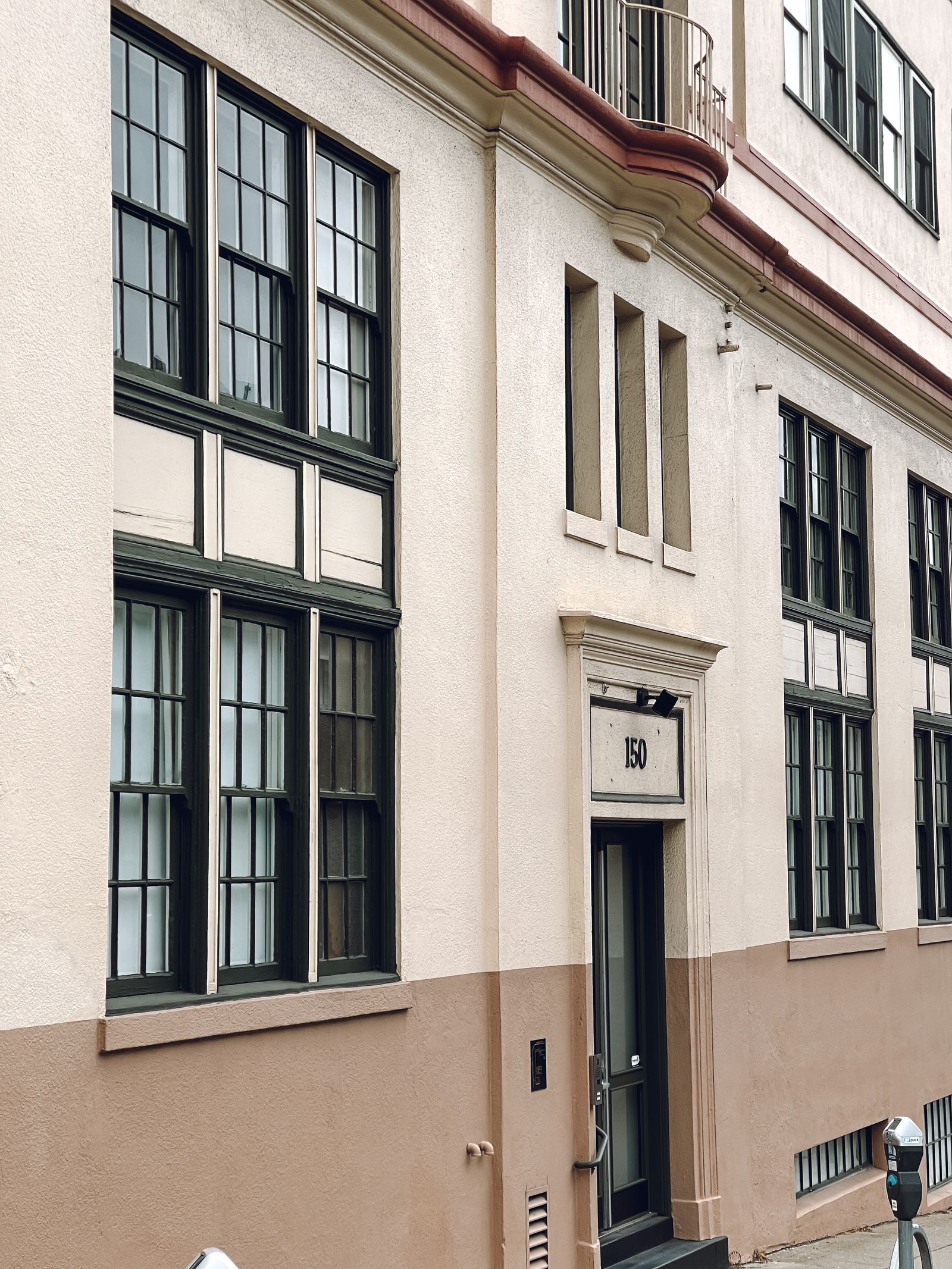
New Orleans commercial properties can combine historic brick, stucco, painted masonry, cast stone, concrete, EIFS, glass, metal panels, tile, balconies, shutters, canopies, and decorative details. A French Quarter hotel may have delicate masonry, narrow guest routes, balconies, signs, and courtyards. A newer office near Poydras Street may have broad glass, metal, precast, and active sidewalks. A warehouse near the Industrial Canal or Mississippi River may carry exhaust, dust, bird residue, and river humidity. We identify the material and condition before selecting chemistry, dwell, rinse volume, pressure, access, and protection.
Soft washing may fit compatible algae, mildew, pollen, bird residue, and atmospheric film after testing. It does not repair failed mortar, cracks, spalled concrete, corrosion, leaking roof edges, failed coatings, or moisture behind a wall. Dark streaking can come from biological growth, oxidation, mineral residue, exhaust, irrigation, or a drainage problem. A test area can confirm the expected appearance when surfaces have mixed repairs or an owner needs a consistent guest-facing finish. Broad facade cleaning should be separated from glass detailing, hard-water removal, restoration, coating work, and repairs.
- Separate historic masonry, stucco, EIFS, concrete, glass, metal, tile, and painted areas.
- Identify humidity-related growth, river film, exhaust, bird residue, pollen, and mineral marks.
- Define whether the goal is recurring maintenance, an entrance reset, or detailed appearance work.
- Keep envelope repairs, failed joints, leaks, corrosion, and restoration outside routine washing.
Schedule around New Orleans hotels, restaurants, offices, and events
New Orleans hospitality properties are active at nearly every hour. Hotels in the French Quarter, CBD, Warehouse District, Convention Center corridor, Garden District, and along Canal Street may have arrivals, valet traffic, luggage, outdoor dining, tours, weddings, conferences, and deliveries beside the facade. Restaurants need patios and entries returned clean and dry. A medical office or university building may need controls around patients, students, visitors, air intakes, and accessible routes. A warehouse or port-related site may need cleaning sequenced around trucks, gates, cranes, and shift changes.
Before work begins, we ask about check-in and checkout, restaurant service, event calendars, tenant hours, deliveries, loading, valet, pedestrian routes, security, air intakes, and the person authorized to pause work. A CBD hotel may need the porte-cochere phased away from conference arrivals. A French Quarter elevation may require a quieter early window with barriers that preserve a narrow public route. The quote should state the sequence, communication path, barriers, handback standard, and escalation contact so the property team can approve a practical operating plan.
Plan for humidity, flooding, heat, and sudden storms
New Orleans humidity changes how shaded walls dry and how quickly organic growth can return. Elevations near the river, lake, canals, courtyards, trees, roof drains, and covered walkways can hold moisture longer than sun-exposed walls. Heat, intense sunlight, spring pollen, bird activity, tropical weather, and repeated rain can create different resoiling patterns across the same building. A recurring program should follow the property's exposure and appearance standard rather than promise one interval for every elevation.
Thunderstorms, lightning, heavy rain, gusts, tropical systems, standing water, slick walking surfaces, and changing visibility can affect spray control, aerial stability, public safety, and where rinse water travels. Flood-prone or low-lying areas may need an additional site check after rain, especially near garages, loading lanes, courtyards, and ground-floor entries. Work should pause when wind, lightning, precipitation, visibility, footing, or drainage no longer supports the plan. A storm can also move leaves, sediment, and street film back onto a freshly cleaned lower wall, so closeout notes should record weather interruptions and any condition that needs follow-up.
Use drone assistance only where the site supports it
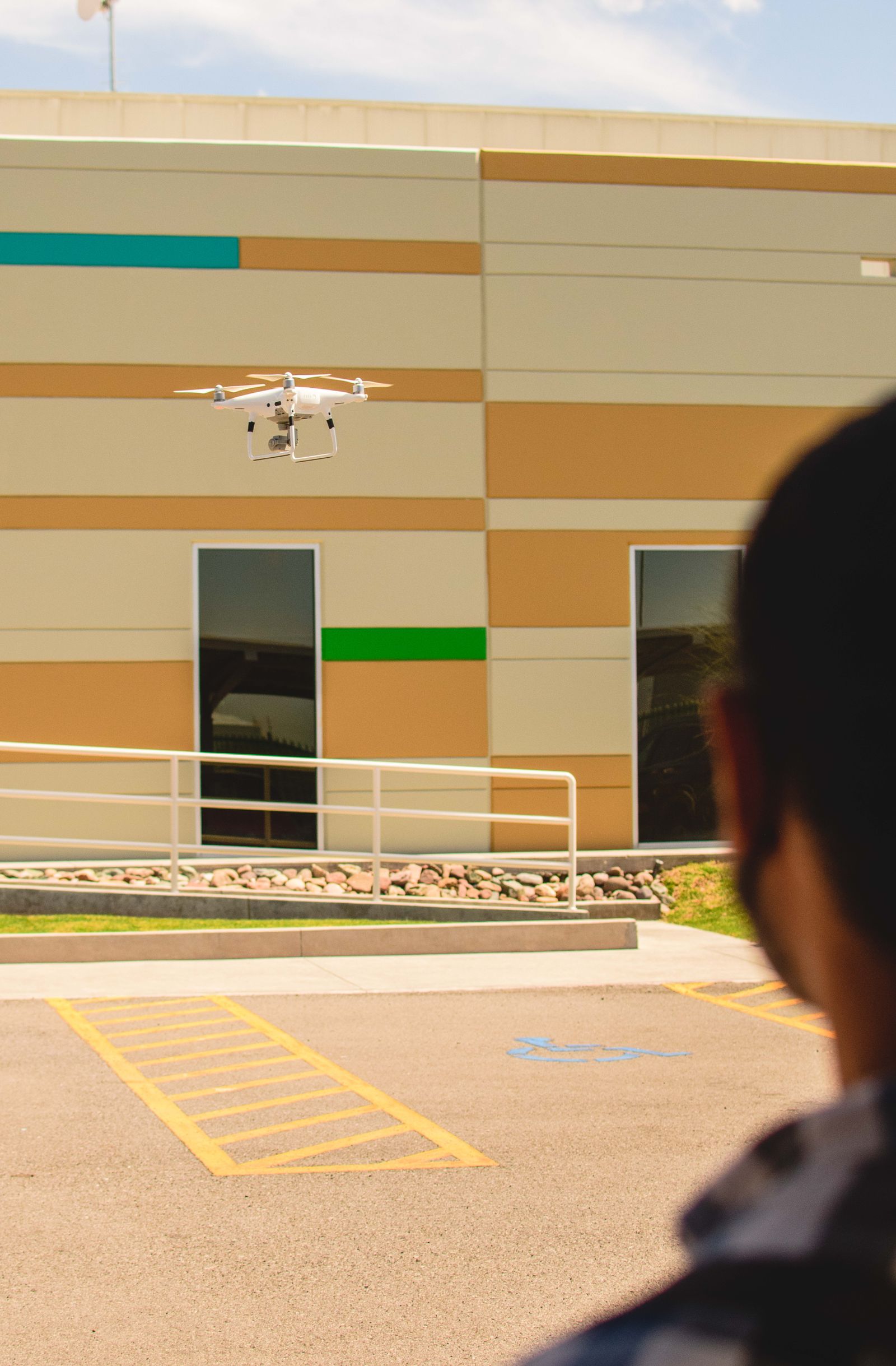
Drone-assisted application or rinsing can support selected upper facade areas when wind, stand-off distance, line of sight, airspace, launch and recovery space, water access, and ground controls are workable. It is one part of an access plan, not a promise that every New Orleans surface can be cleaned from the air. Balconies, wires, streetcar lines, trees, signs, cranes, rooftop equipment, narrow sidewalks, adjacent buildings, public gatherings, and river or port activity can make one elevation feasible and another unsuitable. Broad upper walls may pair with a lift, water-fed pole, or hand detailing at entries, frames, ledges, canopies, and decorative masonry.
New Orleans Louis Armstrong International Airport, downtown heliports, medical helicopter activity, river traffic, port operations, bridges, festivals, and temporary events may affect an aerial plan. Commercial operators must follow applicable Federal Aviation Administration requirements and obtain any needed authorization; property permission does not replace aviation rules. The quote should identify proposed aerial elevations, spotters, communication, emergency stop procedures, public separation, and conditions that trigger an alternate method. A hybrid plan is often the most dependable way to protect the finish and the operating schedule.
Protect drains, landscaping, historic details, and public routes
New Orleans sites can have catch basins, curb inlets, planted courtyards, palms, restaurant patios, pool decks, garage ramps, low parking areas, alleys, and drainage paths that change quickly during rain. A French Quarter hotel, a Warehouse District restaurant, a Lakeview office, and a riverfront industrial building can have different water-management risks. Before applying water or chemistry, map drains, low points, doors, air intakes, patios, vehicles, cameras, emergency routes, neighboring properties, and public sidewalks. Confirm hose routing, barriers, water access, and who can stop the job if the flow path or weather changes.
The right controls depend on the product, soil removed, rinse volume, surface slope, and receiving system. They may include plant protection, diversion, collection, recovery, reduced rinse volume, filtration, disposal, or coordination with the responsible authority. A visible storm drain is not automatic permission to discharge wash water. Historic trim, shutters, exposed electrical equipment, signs, and restaurant furniture may require extra protection. Closeout should leave routes dry and safe, document completed elevations, record remaining deposits or repairs, and explain deviations so facilities staff receive a useful maintenance record.
- Locate drains, low points, landscaping, patios, doors, air intakes, vehicles, and flood-sensitive equipment.
- Confirm guest routes, street or sidewalk controls, hose paths, water access, and emergency access.
- State the water-management approach and the stop condition if flow or weather changes.
- Photograph completed zones and note remaining river film, mineral deposits, repairs, or detail needs.
Request a New Orleans quote tied to your property
A useful commercial soft-washing proposal should identify service zones, materials, visible soil, included features, method by elevation, access approach, water assumptions, drainage controls, operating window, weather limits, intended finish, exclusions, and closeout documentation. It should separate broad facade washing from high-detail glass, hard-water or river residue, oxidation, construction film, graffiti, canopy detailing, and repairs. If drone assistance is proposed, the scope should explain where it is expected to help and what backup method applies if wind, airspace, public movement, historic details, or finish requirements change.
Send the New Orleans property address, wide and close photos, approximate height, priority elevations, known materials, desired result, preferred dates, water access, drainage concerns, and restrictions involving guests, tours, events, restaurants, tenants, patients, deliveries, port traffic, or security. Those details help determine whether a remote review, site visit, test area, or hybrid access plan should come next. We can quote a one-time appearance improvement, phased hospitality or office cleaning, or recurring exterior maintenance. Call +1 239-351-2897, email contact@dronebuildingcleaners.com, or use the quote form to get started.