Soft washing is a chemistry-and-surface decision
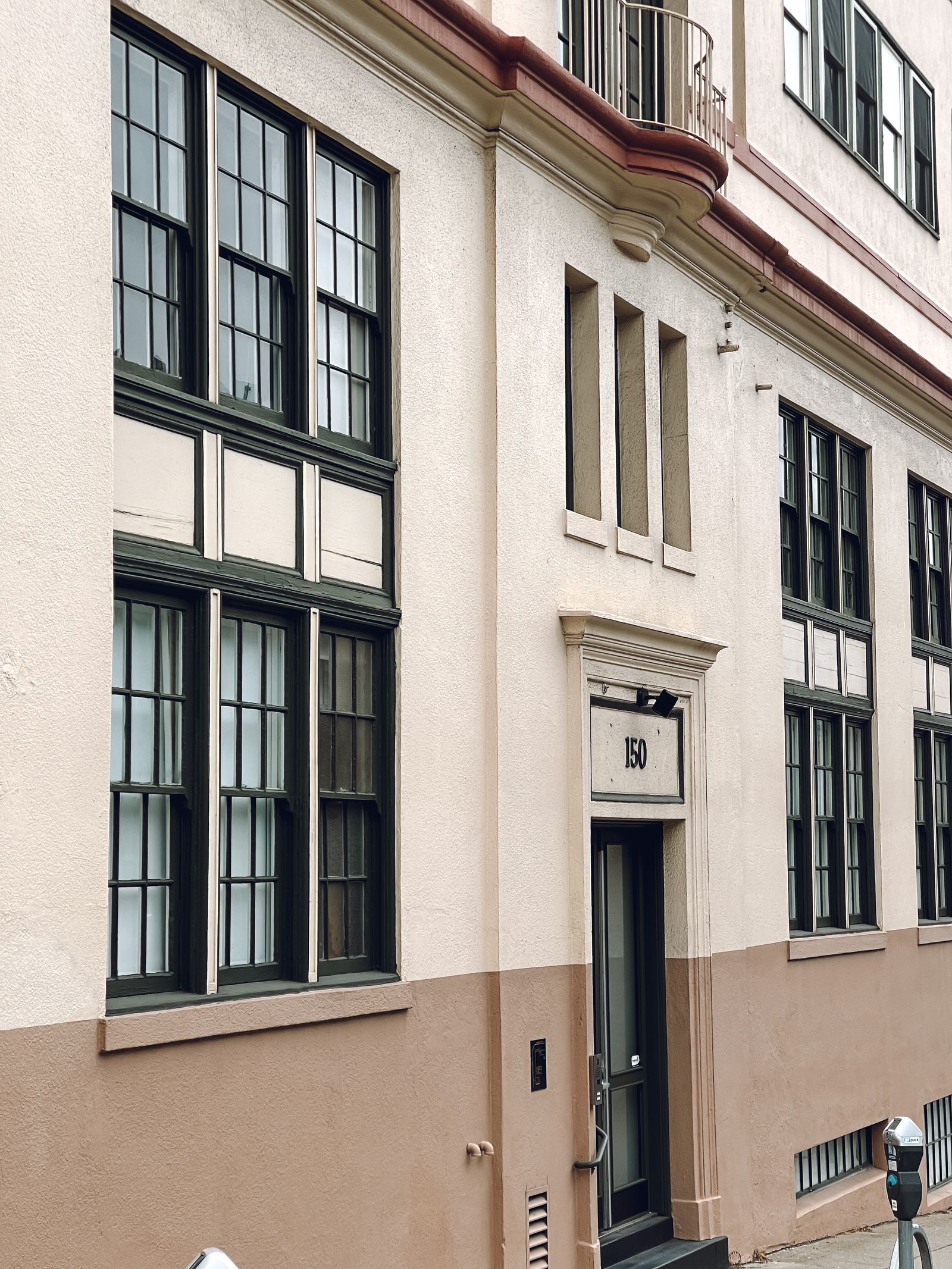
Soft washing generally relies more on a compatible solution, dwell time, and controlled rinse than on impact force. It may fit organic growth, mildew, pollen, bird residue, and atmospheric film on selected brick, masonry, stucco, EIFS, painted surfaces, and other tested materials. Lower pressure can reduce some mechanical stress, but it does not eliminate risk from chemistry, dwell, temperature, wind, plant exposure, or water entering failed joints. A test area should be evaluated after drying when a New Orleans facade has historic fabric, mixed repairs, or a demanding owner finish standard.
New Orleans buildings often combine several substrates in one service zone. A CBD office may include glass, metal, precast, sealants, concrete entries, and older adjacent masonry. A French Quarter hotel may add shutters, balconies, decorative trim, signs, and courtyards. A riverfront warehouse may use durable metal panels and concrete but still contain painted offices, electrical equipment, and employee routes. The method must be selected by surface and condition, not by the assumption that one setting should be applied from roofline to sidewalk.
Pressure washing fits selected durable zones, not every facade
Pressure washing can be useful for some durable concrete, loading areas, sidewalks, curbs, service courts, and hardscape when the operator controls distance, nozzle selection, flow, runoff, and surrounding assets. Even on concrete, excessive force can etch the surface, expose aggregate, damage coatings, move joint material, or drive water into cracks and openings. On historic brick, mortar, painted surfaces, EIFS, stucco, older stone, and window assemblies, the same force may cause damage or leave an uneven result. Strong spray does not automatically remove mineral deposits, oxidation, river residue, or a stain whose source is still active.
At a New Orleans lower elevation, street splash, pollen, humidity growth, exhaust, bird residue, construction dust, and standing-water marks can overlap. A forceful pass may brighten the wall while leaving the cause untouched if a roof drain, parapet, gutter, joint, or landscape source continues feeding the mark. A responsible bid should say what the crew believes the deposit is, what visible change is realistic, and when work should stop for restoration, close contact, repair, or envelope investigation. That distinction keeps aggressive cleaning from becoming a substitute for fixing water entry.
Compare methods against hospitality, access, and finish needs
Method selection should start with the result. A hotel may need a guest-ready entry, canopy, sign band, and upper wall before a conference or wedding. A French Quarter owner may prioritize consistent appearance without damaging old mortar, shutters, or decorative details. A restaurant may need a patio and sidewalk returned clean and dry before service. A medical, academic, or office facility may prioritize predictable controls around visitors, accessible routes, air intakes, and tenant movement. A warehouse may prioritize broad improvement on tall walls while preserving truck and loading operations. Those goals can lead to different combinations of soft washing, controlled pressure, water-fed poles, lifts, hand detail, or specialty referral.
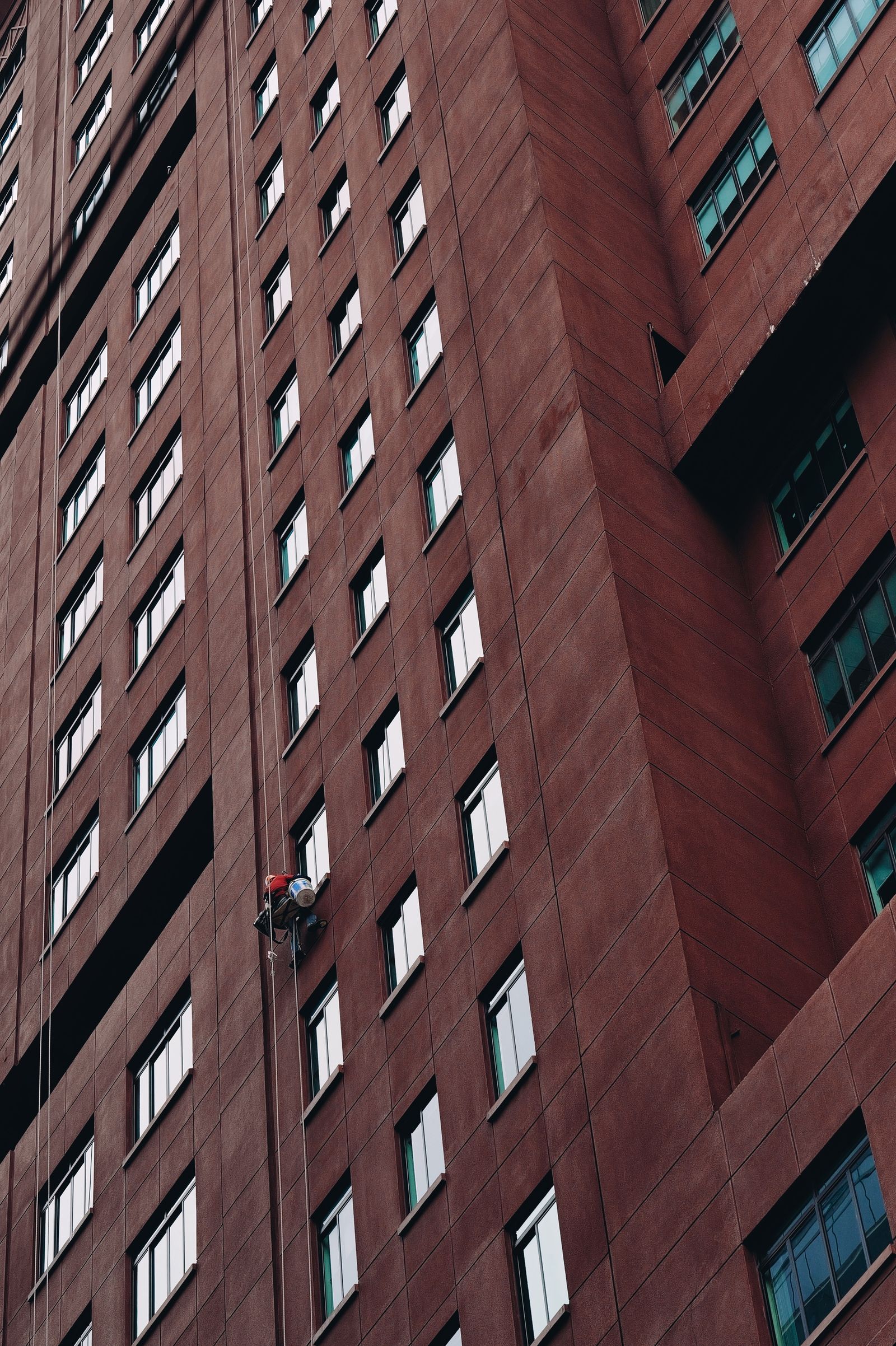
Access changes the decision too. A New Orleans aerial plan has to account for the building setback, wind, flight corridor, launch space, and a ground zone that can be controlled around pedestrians and vehicles. Balconies, streetcar wires, trees, narrow sidewalks, festival crowds, cranes, rooftop plant, river traffic, and neighboring structures may rule out the approach on one elevation. Commercial operations still require compliance with FAA rules and any needed authorization. The scope should name the proposed flight area and the conventional-access fallback if conditions change.
Some projects need close-finish work after broad washing. Water spots on glass, frame channels, recessed details, construction residue, signs, shutters, and decorative trim may require a person, water-fed pole, lift, or specialty tool. A mixed scope is easier to approve when it names the tool for each elevation and describes the expected closeout appearance. That is more useful than a promise that one machine will produce the same finish across historic masonry, metal, windows, patios, and architectural details.
Treat humidity, flooding, weather, and drainage as method inputs
High humidity, intense summer heat, heavy rain, tropical systems, spring pollen, river moisture, and shaded courtyards can change dwell time, drying, visibility, footing, and runoff. The same property can have a damp lake-facing or canal-facing elevation and a hot sun-exposed wall. Flooding and standing water may make a low garage, loading lane, courtyard, or ground-floor entrance unsuitable until conditions improve. Weather also affects aerial equipment, spray movement, public controls, and whether a walking surface remains safe. A method that works in a dry test may need a different sequence when wind shifts or a wall is already wet.
Drainage should be evaluated before rinse water reaches an inlet. New Orleans properties may send flow toward catch basins, landscaped courtyards, garages, alleys, low parking areas, canals, or systems connected to regional drainage infrastructure. The actual product, soil load, rinse volume, surface slope, receiving path, and applicable requirements determine controls. A visible drain is not automatic permission to discharge into it. The plan may call for protection, diversion, collection, recovery, reduced rinse volume, filtration, disposal, or coordination with the responsible authority. If the observed path changes, pausing and revising the plan protects the building and surrounding water system.
Ask for a New Orleans quote that makes tradeoffs visible
To compare New Orleans bids, ask for a map of facade materials and visible conditions, with a method, expected finish, test-area requirement, exclusion, access assumption, work window, weather limit, water plan, public control, and closeout record for every zone. Confirm whether the number includes upper glass rinsing, canopies, parapets, hard-water marks, river or street residue, construction film, graffiti, patio washing, or only broad wall cleaning. A phrase such as complete building cleaning is too broad to tell an owner what will actually happen.
Share the address, labeled photos, approximate heights, repair history, priority elevations, available water, drainage observations, event dates, guest and tenant restrictions, deliveries, parking rules, security needs, restaurant service windows, and any flood-related limitations. A site review or test panel may be sensible before pricing. We can shape a New Orleans scope around an event deadline, entrance-first reset, hospitality phase, medical campus window, or recurring maintenance program. Call +1 239-351-2897, email contact@dronebuildingcleaners.com, or use the quote form to begin.
Build a repeatable decision for the property team
The best method is the one a New Orleans property team can explain, schedule, monitor, and repeat without creating new problems. Facilities staff should know which areas are included, which materials were tested, how guests or tenants will be protected, how water will be managed, and what conditions stop the work. A photo log and closeout note can help an owner compare results across a hotel portfolio, historic block, restaurant group, campus, or riverfront property. Recurring service can target the surfaces that resoil first instead of treating every elevation identically.
Drone Building Cleaners can help evaluate New Orleans offices, hotels, restaurants, historic mixed-use properties, medical and academic buildings, retail centers, warehouses, garages, campuses, and river-adjacent facilities. We can discuss broad maintenance washing, selected upper rinsing, entrance detailing, and the limits of each proposed method. Contact us with the address and the decision your team needs to make. A clear quote should explain what will be cleaned, what may remain, which access method fits, and whether another professional should address a repair or drainage issue first.